Article: Cold Plunge Benefits: What the Research Actually Says
Cold Plunge Benefits: What the Research Actually Says
Cold water immersion has become one of the most talked-about recovery tools in wellness. But what does the research actually support — and what's still being studied? This guide separates established science from hype so you can make an informed decision.
What Happens to Your Body in a Cold Plunge?
When you submerge in cold water (typically 37–59°F), a rapid physiological cascade occurs:
- Cold shock response: Immediate sharp inhalation, elevated heart rate, and adrenaline surge in the first 30–90 seconds
- Vasoconstriction: Blood vessels in the skin and extremities constrict, redirecting blood flow to protect core temperature
- Norepinephrine release: Levels rise dramatically — sometimes 2–3x above baseline — within minutes of cold immersion
- Metabolic activation: The body ramps up heat production to maintain core temperature
The effects that follow — and how long they last — depend on water temperature, duration, frequency, and individual factors.
What the Research Supports
1. Muscle Recovery and DOMS Reduction
Cold water immersion for muscle recovery is one of the most studied applications, and the evidence is reasonably strong. Multiple meta-analyses have found that CWI (cold water immersion) reduces delayed onset muscle soreness (DOMS) and perceived fatigue compared to passive recovery — particularly after high-intensity or eccentric exercise.
The mechanism: cold-induced vasoconstriction reduces local inflammation and metabolic byproduct accumulation in exercised muscle tissue. When blood flow returns after exiting the plunge, circulation flushes the area.
Caveat: Some research suggests that blocking inflammation too aggressively after resistance training may interfere with long-term muscle adaptation (hypertrophy). Many athletes use cold plunges on endurance and skill training days, but avoid them immediately after heavy strength sessions for this reason.
2. Norepinephrine and Mood
Cold immersion triggers a significant norepinephrine (a neurotransmitter and stress hormone) spike. Research by Susanna Søberg and others has documented 2–3x increases in norepinephrine after cold water exposure, correlating with improved alertness, focus, and mood elevation that can last several hours.
This is the mechanism behind the "post-plunge clarity" that cold immersion practitioners consistently report — it is a real, measurable physiological response, not placebo.
3. Cold Adaptation and Stress Resilience
Regular cold exposure has been shown to improve the body's ability to regulate its response to acute stressors. Controlled cold stress appears to train the nervous system's stress response system — the repeated activation and recovery from cold shock builds what researchers call "stress inoculation." Over time, practitioners typically report reduced anxiety responses to other stressors in daily life.
4. Brown Adipose Tissue Activation
Cold exposure activates brown adipose tissue (BAT) — a metabolically active type of fat that burns energy to generate heat. Regular cold exposure increases BAT volume and activity over time. This is being actively studied for implications in metabolic health, insulin sensitivity, and weight management, though clinical evidence for meaningful weight loss effects remains preliminary.
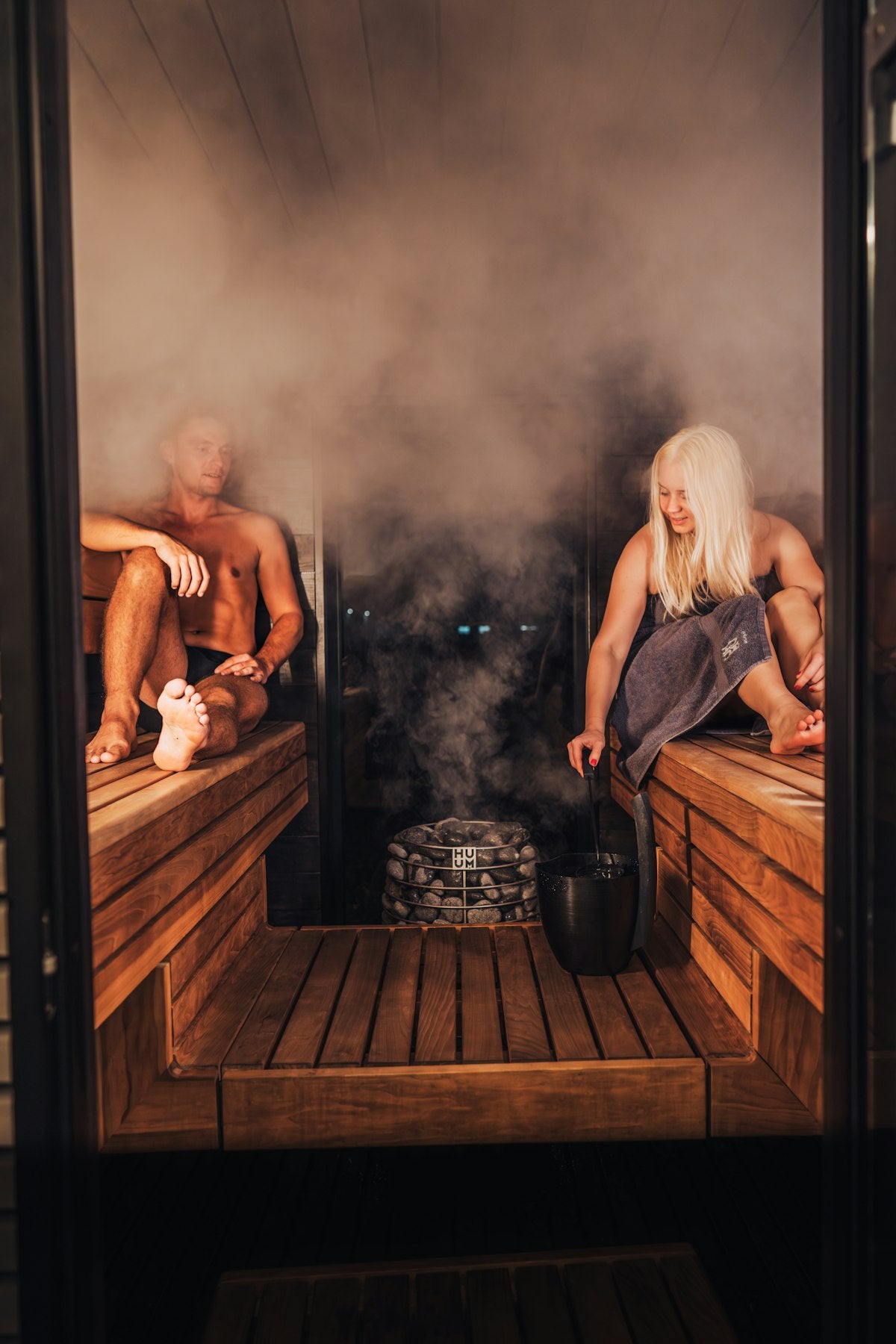
5. Contrast Therapy (Sauna + Cold Plunge)
When cold plunging is combined with sauna in a contrast therapy protocol, the circulatory effects are amplified. Alternating between heat-induced vasodilation and cold-induced vasoconstriction creates a powerful pumping effect on the cardiovascular system. Several studies support improved cardiovascular function, circulation, and recovery outcomes from contrast therapy protocols compared to either modality alone.
Read our complete contrast therapy guide for protocols and setup advice.
What's Still Being Studied
Cold plunge research is active and evolving. Areas where evidence is promising but not yet conclusive:
- Immune function: Some studies suggest regular cold exposure increases white blood cell counts and immune activity, but large randomized trials are limited
- Testosterone: Animal studies show cold exposure effects; human data is mixed and context-dependent
- Longevity: Epidemiological data from Scandinavian winter swimming cultures is intriguing but confounded by lifestyle factors
- Optimal protocols: The ideal water temperature, duration, frequency, and timing relative to exercise are still being refined
How Cold Does It Need to Be?
Most research showing significant benefits uses water temperatures between 50–59°F. The cold shock response, norepinephrine release, and vasoconstriction begin at temperatures below 60°F. Colder water (37–50°F) intensifies the response and reduces the time needed for the same effect — but is not required for benefits.
| Temperature | Experience Level | Notes |
|---|---|---|
| 55–60°F | Beginner | Strong physiological response; more tolerable for new practitioners |
| 50–55°F | Intermediate | Research sweet spot for most benefits |
| 40–50°F | Experienced | Intensified response; shorter sessions needed |
| 37–40°F | Advanced | Maximal cold stress; limit to 2–4 minutes |
How Long and How Often?
For recovery benefits, 2–5 minutes per session is sufficient at temperatures below 55°F. Research by Søberg et al. suggests 11 minutes per week total (across multiple sessions) as a meaningful threshold for metabolic activation. Most practitioners aim for daily or near-daily sessions of 2–5 minutes.
Safety Considerations
- Cold shock risk: The gasp reflex in the first 30–90 seconds can cause accidental inhalation of water. Never cold plunge alone as a beginner, and always enter controlled breathing first
- Cardiovascular conditions: Cold immersion causes rapid heart rate and blood pressure changes. Consult your doctor if you have heart disease, arrhythmia, or uncontrolled hypertension
- Hypothermia: Risk increases significantly beyond 10 minutes, especially at sub-50°F temperatures. Set a timer
- Pregnancy: Avoid cold plunging during pregnancy without medical guidance
How to Get Started
If you're new to cold water immersion, the recommended progression:
- Start with cold showers for 2–4 weeks to build familiarity with the cold shock response
- Move to a cold plunge tub starting at 55–60°F for 2 minutes per session
- Gradually lower temperature 2–3°F per week as tolerance develops
- Aim for 3–5 sessions per week at your target temperature
- Add sauna contrast therapy for amplified results
Browse our full cold plunge collection — tubs, chillers, and accessories from Dynamic Cold Therapy, SaunaLife, Golden Designs, and Leisurecraft. Free shipping on all orders.
Frequently Asked Questions
Does cold plunging actually work?
For muscle recovery, mood elevation, and stress resilience — yes, the evidence is reasonably strong. For other claimed benefits (immunity, longevity, weight loss) — the evidence is promising but still developing. The practice is low-risk for healthy adults and worth trying.
What temperature should a cold plunge be for beginners?
Start at 55–60°F and work down gradually. Our Dynamic Cold Therapy chillers let you set precise temperatures and adjust as you progress.
How long should you stay in a cold plunge?
2–5 minutes is sufficient for most benefits at temperatures below 55°F. Do not exceed 10 minutes, especially at sub-50°F temperatures.
Should I cold plunge before or after a workout?
For endurance and skill training: after the workout for recovery. For strength training: some coaches recommend waiting 4+ hours post-lifting to avoid blunting the adaptive inflammation response.
Can I cold plunge every day?
Yes — daily cold plunging is safe for healthy adults. Many experienced practitioners plunge daily and report cumulative benefits in mood, energy, and stress tolerance over time.