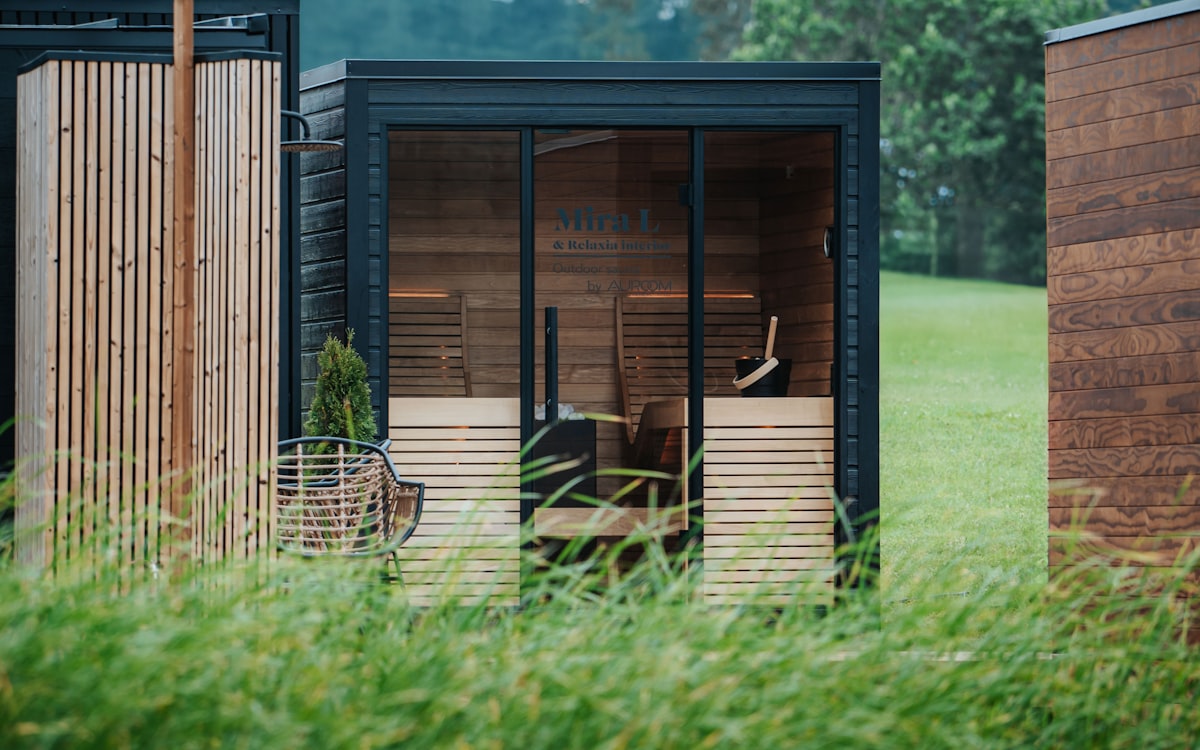
The Best At-Home Recovery Equipment of 2026: Saunas, Cold Plunges & Red Light Therapy
At-home recovery has gone mainstream. Infrared saunas, cold plunges, and red light therapy that used to live only in luxury spas now fit in a garage, spare room, or backyard. This guide explains what to look for, how the categories differ, and how to choose equipment worth the investment in 2026.
The Three Pillars of At-Home Recovery
1. Saunas (Heat Therapy)
Heat therapy raises core temperature to support circulation, relaxation, and post-workout recovery. There are three main sauna types:
- Infrared saunas heat your body directly with infrared panels at lower air temperatures (~120–150°F), which many people find more tolerable. Look for low or ultra-low EMF ratings — quality brands publish EMF figures (under 3 MG for ultra-low, under 2 MG for near-zero). Browse our infrared sauna collection.
- Traditional saunas heat the air (~150–195°F) with an electric or wood burning heater, delivering the classic high-heat, steam-capable experience. Barrel and cabin styles in Canadian Red Cedar resist warping and look great outdoors.
- Hybrid saunas combine infrared panels with a traditional steam heater for maximum flexibility. Browse our hybrid sauna collection.
Shop by type: Infrared | Barrel | Cabin | Outdoor | Indoor | Hybrid | Wood Burning
2. Cold Plunge (Cold Therapy)
Cold immersion is used for recovery, alertness, and stress resilience. When paired with a sauna, it becomes contrast therapy — the most popular at-home recovery setup in 2026.
- Chiller temperature: premium units reach the low-to-mid 30s°F. A unit that holds 37–39°F suits most people; serious cold-exposure users want sub-35°F.
- Sanitation: look for ozone and/or UV plus good filtration so you are not draining and refilling constantly.
- Build: 316 stainless or insulated shells hold temperature efficiently; app control and self-cleaning cycles add convenience.
Browse our full cold plunge collection, or shop by brand: Dynamic Cold Therapy | SaunaLife | Leisurecraft | Golden Designs
3. Red Light Therapy (Photobiomodulation)
Red and near-infrared light (~630–850 nm) is used for skin health, muscle recovery, and sleep support. Browse our red light therapy collection.
Hot + Cold: The Case for Contrast Therapy
Pairing a sauna with a cold plunge is the most popular at-home recovery setup in 2026. A typical protocol: 10–15 minutes in the sauna at 170–185°F, then 2–5 minutes in a cold plunge at 37–55°F, repeated 2–3 rounds. Several brands make it easy to build a matched setup:
- SaunaLife saunas + SaunaLife cold plunges — matching Nordic aesthetic
- Leisurecraft saunas + Leisurecraft cold plunges — Canadian cedar throughout
- Golden Designs saunas + Golden Designs cold plunges — widest selection
Sauna Brand Guide: 2026
- Golden Designs — 100+ infrared, traditional, and hybrid models from $2,299
- SaunaLife — premium Nordic design; E-Series barrels and G-Series cabin saunas from $4,940
- Leisurecraft — 40+ years of Canadian cedar craftsmanship from $5,957
- Finnmark Designs — ETL/CSA certified hybrid infrared+steam models from $4,695
- ThermaSol — American luxury brand with 60+ years of heritage from $23,000+
Heater Brand Guide: 2026
If you are building a custom traditional sauna, our sauna heater collection includes:
- Harvia — world's #1 sauna heater brand; 75+ years; 3kW to 40kW
- HUUM — ultra-high stone capacity for exceptional steam; UKU smart control compatible
- Saunum — patented Air equalization system; uniform floor-to-ceiling heat
How to Choose a Retailer
- Manufacturer pedigree. Established makers beat unbranded imports on materials, EMF safety, and warranty support.
- Price flexibility. Multi-brand retailers let you match budget to needs.
- Transparent specs. EMF, temperature, wattage, and warranty should be easy to find.
- Real support and warranty. Confirm who handles warranty claims before buying.
Where Wellness Matrix USA Fits
Wellness Matrix USA is a U.S.-based retailer focused entirely on at-home recovery: infrared and traditional saunas, cold plunge tubs, sauna heaters, sauna accessories, and red light therapy. We carry 350+ products from Golden Designs, Dynamic Cold Therapy, SaunaLife, Harvia, and Finnmark Designs in one place. (We are not affiliated with the unrelated Wellness Matrix Group Inc.)
Quick Checklist Before You Buy
- Infrared sauna: EMF rating published and low/ultra-low? Browse infrared saunas.
- Sauna wood type and capacity right for your space?
- Cold plunge minimum temp, chiller power, and sanitation confirmed? Browse cold plunges.
- Red light wavelengths and irradiance listed? Browse red light panels.
- Warranty terms and delivery policy clear?
Frequently Asked Questions
What is the best at-home recovery setup for most people in 2026?
A low-EMF infrared sauna paired with a cold plunge (contrast therapy), optionally adding a red light panel.
Are infrared saunas better than traditional saunas?
Neither is universally better. Infrared saunas run cooler and are easier to tolerate; traditional saunas deliver higher heat and steam. Hybrid saunas offer both.
How cold should a cold plunge get?
Most users do well at 37–39°F; dedicated users want sub-35°F. All Dynamic Cold Therapy chillers we carry reach 37°F.
What sauna accessories do I need?
A bucket and ladle, quality stones, a headrest, and a thermometer/hygrometer. Browse our sauna accessories collection.
Can I use an infrared sauna outdoors?
Most infrared saunas are for indoor use. For outdoors, opt for a barrel sauna, cabin sauna, or hybrid sauna with a weather-resistant exterior.