Contrast Therapy at Home: The Complete Sauna & Cold Plunge Guide
Contrast therapy — alternating between hot sauna and cold water immersion — has moved from elite athletic recovery programs into mainstream home wellness. Here is everything you need to know about the science, the protocols, and how to build the setup at home.
What Is Contrast Therapy?
Contrast therapy involves cycling between heat exposure and cold water immersion to produce a powerful physiological response. The alternating vasodilation (heat) and vasoconstriction (cold) drives blood rapidly through the circulatory system, flushing metabolic waste from muscles and organs while stimulating the nervous system.
It has been practiced for centuries in Scandinavian countries — jumping in a cold lake after a hot sauna is a cornerstone of Finnish sauna culture. Modern at-home setups replace the lake with a cold plunge tub and make the experience accessible year-round.
Benefits of Contrast Therapy
- Accelerated muscle recovery. Contrast therapy reduces delayed onset muscle soreness (DOMS) more effectively than passive rest or cold alone.
- Improved circulation. Alternating hot and cold drives blood through capillaries, arteries, and veins.
- Reduced inflammation. Cold immersion suppresses systemic inflammatory markers; heat stimulates heat shock proteins that protect and repair cells.
- Enhanced mood. Cold immersion triggers norepinephrine release. Heat exposure increases growth hormone and endorphins.
- Better sleep. Core temperature drop after sauna use is associated with faster sleep onset and improved deep sleep quality.
How to Do Contrast Therapy: Protocols
Classic Finnish Protocol
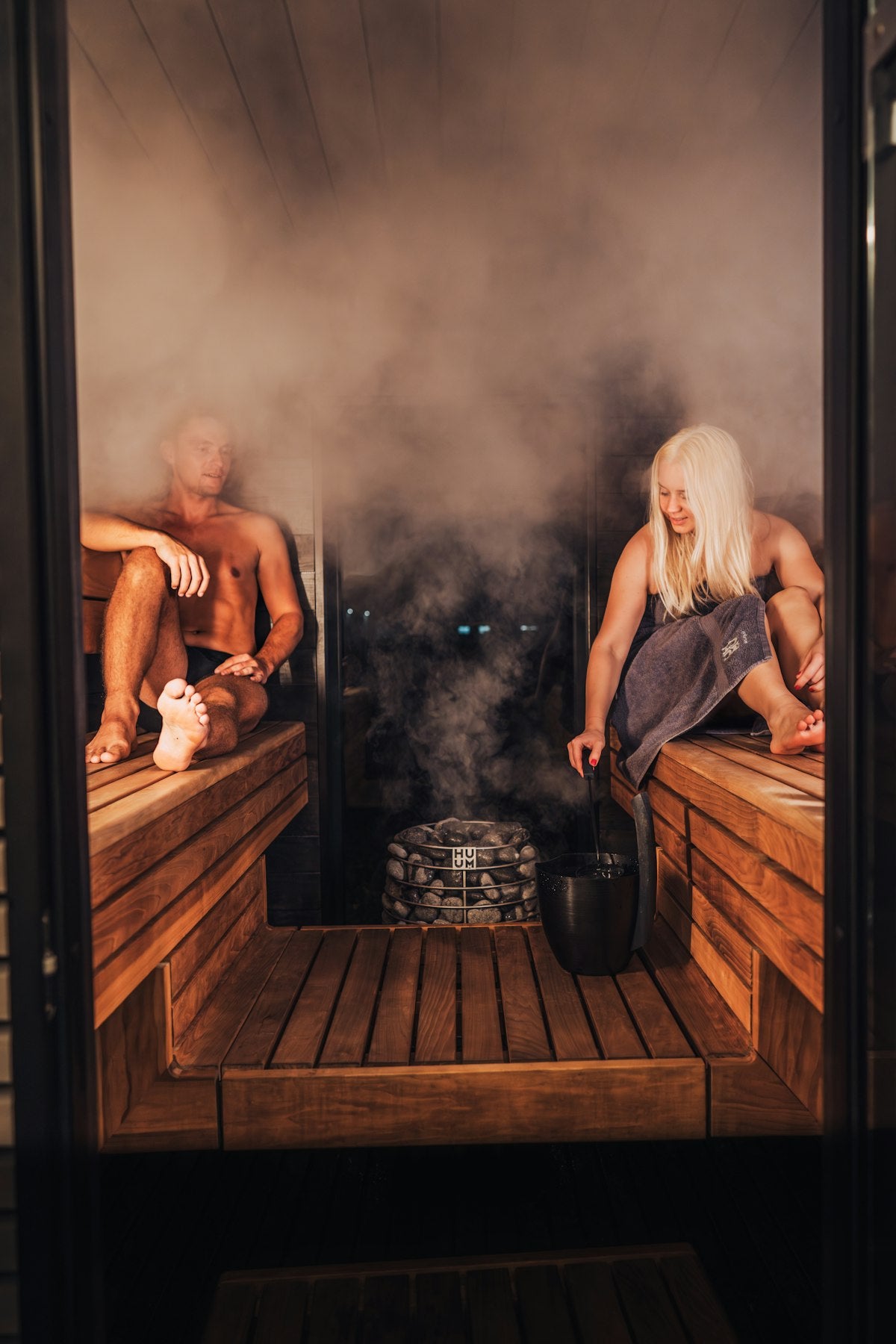
- Heat phase: 10–20 minutes in the sauna at 170–190°F (traditional) or 130–150°F (infrared)
- Cold phase: 2–5 minutes in the cold plunge at 37–55°F
- Rest: 5–10 minutes at room temperature
- Repeat 2–3 rounds
- End on cold for alertness; end on heat for relaxation
Recovery Protocol (Athletes)
- Post-workout: 10 minutes sauna at 150°F+
- 3–4 minutes cold plunge at 37–45°F
- Repeat 2 rounds; end cold
What Temperature Should My Cold Plunge Be?
Most users see significant benefits at 50–59°F. Experienced users prefer 37–50°F. Starting at 55–60°F and gradually lowering over weeks is the safest approach for new practitioners.
Our Dynamic Cold Therapy chillers cool to 37°F. SaunaLife and Leisurecraft plunges can be cooled with ice or chiller packages.
Building a Home Contrast Therapy Setup
Option 1: Matched Brand Set
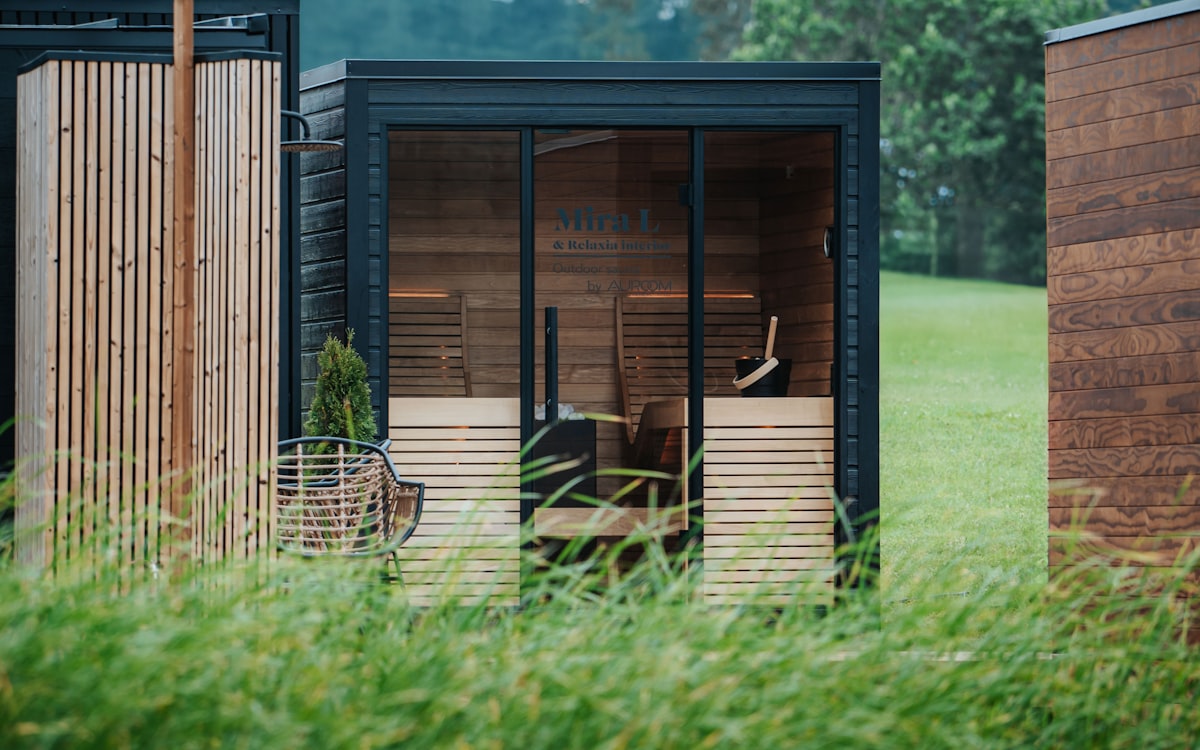
- SaunaLife sauna + SaunaLife cold plunge — matching Nordic Spruce aesthetic
- Leisurecraft sauna + Leisurecraft cold plunge — Canadian cedar throughout
- Golden Designs sauna + Golden Designs cold plunge — widest selection
Option 2: Budget Entry Point
Start with an infrared sauna and the Dynamic Cold Therapy inflatable plunge ($749) — the most affordable contrast therapy entry. Upgrade the plunge later when budget allows.
Celebrity Contrast Therapy: Logan Paul's SaunaLife + Saunum Setup
Looking for inspiration? Logan Paul recently built a full contrast therapy setup using a SaunaLife cabin sauna and Saunum heater — both brands available at Wellness Matrix USA. See the full setup and video here.
Safety Considerations
- Consult your doctor if you have cardiovascular conditions, high blood pressure, or are pregnant.
- Never cold plunge alone as a new user — cold shock response can cause gasping and disorientation.
- Hydrate before, during, and after. Sauna sessions cause significant fluid loss.
- Limit cold time to 2–5 minutes until your body adapts. Hypothermia risk increases beyond 10 minutes.
Frequently Asked Questions
Should I end on hot or cold?
End cold for alertness and maximum anti-inflammatory effect. End hot for relaxation and better sleep that night.
How often should I do contrast therapy?
3–5 times per week is the sweet spot. Daily is fine once your body adapts.
Can I do contrast therapy with just an infrared sauna?
Yes — pair any infrared sauna with a cold plunge or cold shower. A dedicated plunge tub makes the cold phase much more effective than a shower.
How much space do I need?
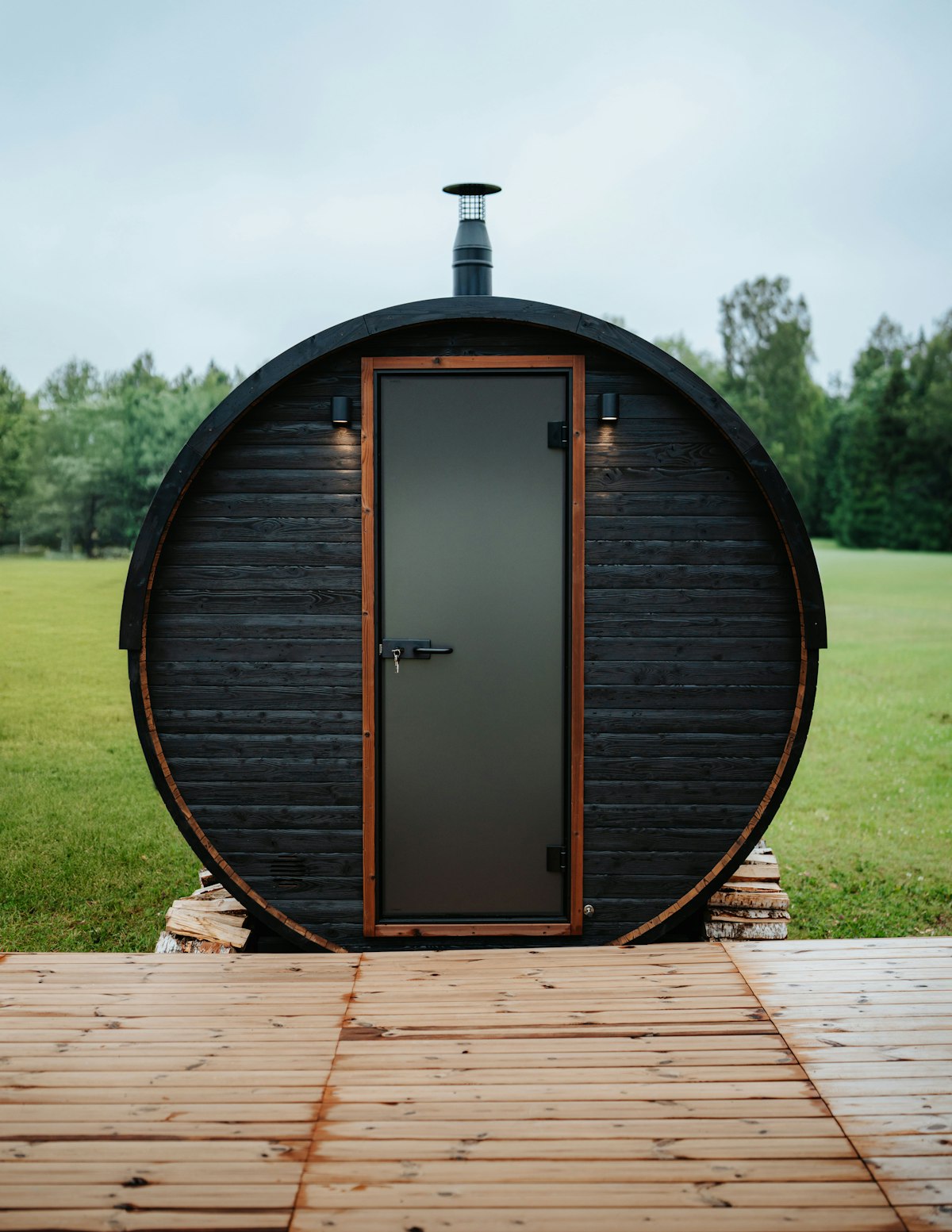
A compact setup fits most backyards: a 2-person barrel sauna needs roughly 8x8 feet; a cold plunge needs 4x4 to 5x6 feet. A 12x20 ft patio can comfortably accommodate a full contrast therapy setup.